

Release:
Tipping bins have grown to be a cornerstone in contemporary industrial and professional waste management. Made to deal with heavy masses effortlessly, these containers are engineered to boost detailed workflows while minimizing work and security risks. In this information, we discover tipping container (tippcontainer), their mechanics, benefits, and mathematical relevance in industries worldwide.
What's a Tipping Container ?
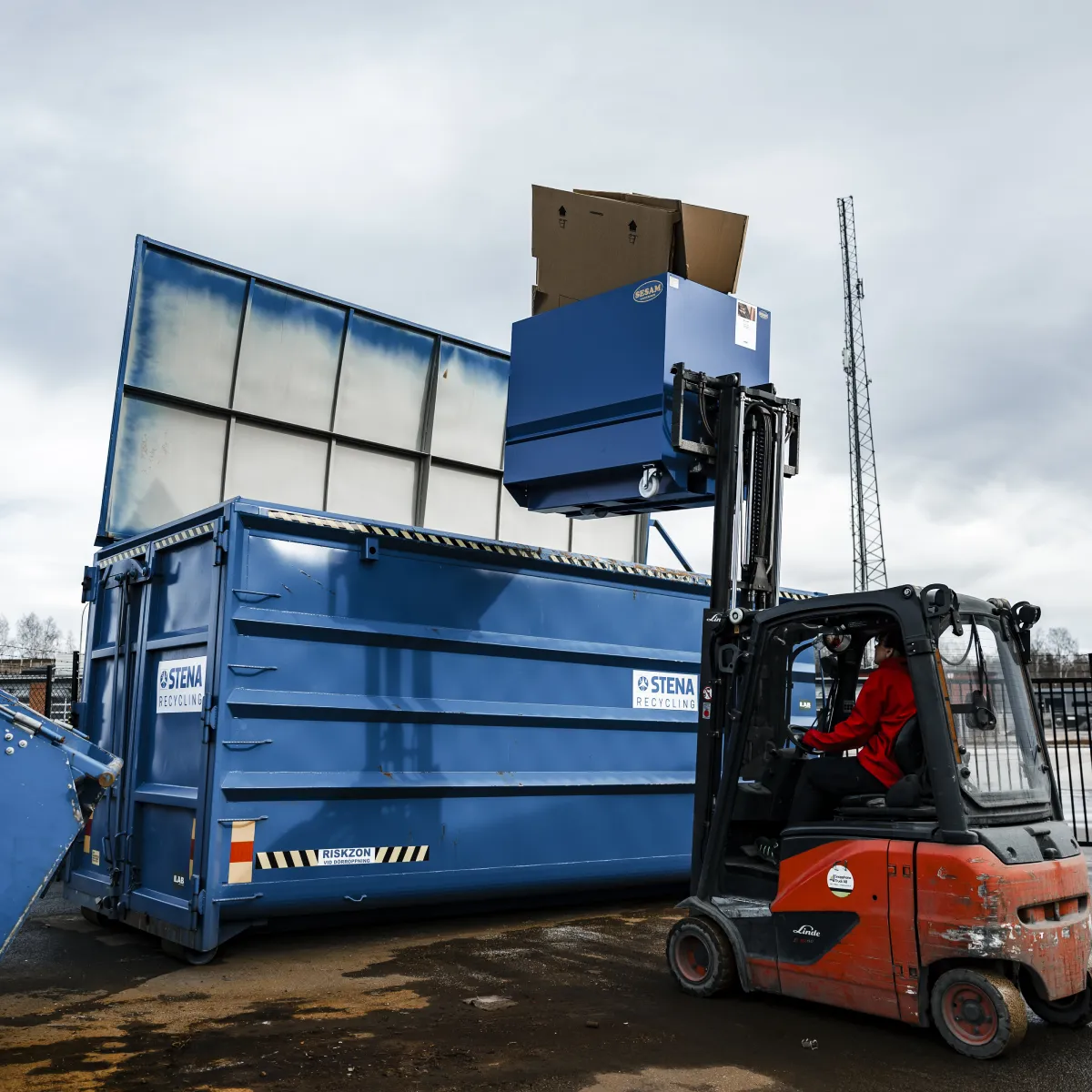
A tipping container is a exclusively developed container able to be removed, fished, and emptied mechanically, typically utilizing a forklift, crane, or devoted tipping mechanism. Unlike conventional bins, these pots allow operators to launch resources without direct contact, increasing equally rate and safety.
How Do Tipping Containers Perform?
Tipping containers work on a pivoting or dipping mechanism. Most types function an effective body and locking process that obtains the container all through transport. Once the tipping action is triggered—either manually or via hydraulic or mechanical assistance—the container tilts, allowing articles to put out in a controlled manner. The design guarantees small spillage, which makes it perfect for granular products, scrap material, or mass waste.
What Would be the Popular Employs of Tipping Containers?
Industries widely use tipping bins for:
Production facilities: Effective treatment of scrap, offcuts, or fresh materials.
Structure websites: Fast handling of trash, sand, or aggregates.
Waste management companies: Facilitating selection, transportation, and disposal of industrial or municipal waste.
Food handling: Secure transfer of volume food items in sanitary, professional environments.
Why Are Tipping Bins Preferred Around Old-fashioned Containers?
Several factors lead to their rising use:
Efficiency: Reduces time used draining products compared to guide handling.
Safety: Reduces the risk of injury by lowering information lifting.
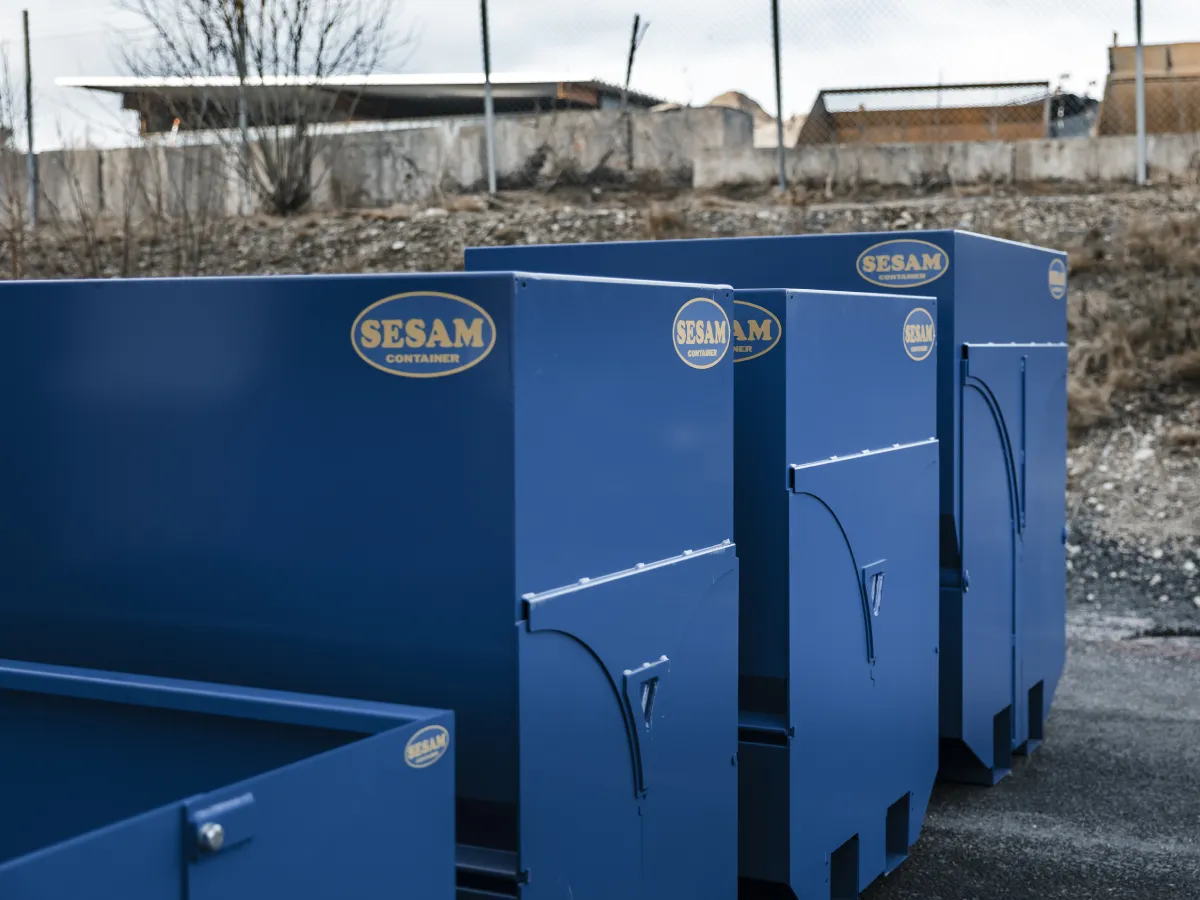
Longevity: Constructed from heavy-duty material or industrial-grade plastic, these pots endure recurring major use.
Flexibility: Suitable for forklifts, hoists, or particular tipping gear, providing flexibility across operations.
Mathematical Understanding:
In accordance with recent industrial studies, features that follow tipping containers record a 30–45% improvement in spend managing efficiency. Furthermore, protection incidents linked to handbook lifting decrease somewhat, showing their position in workplace safety protocols.
Realization:
Tipping bins are an essential asset for industries that want effective, secure, and adaptable waste or material handling solutions. Their engineering ensures minimal work, large durability, and detailed effectiveness, creating them a preferred decision across production, construction, and professional sectors.